
Reccy makes gear for India's trails, heat, and monsoons — and we're on a mission to help 10 million Indians get out. This piece first ran in our newsletter, Get Out with Reccy. Subscribe on Substack to get the next one first.
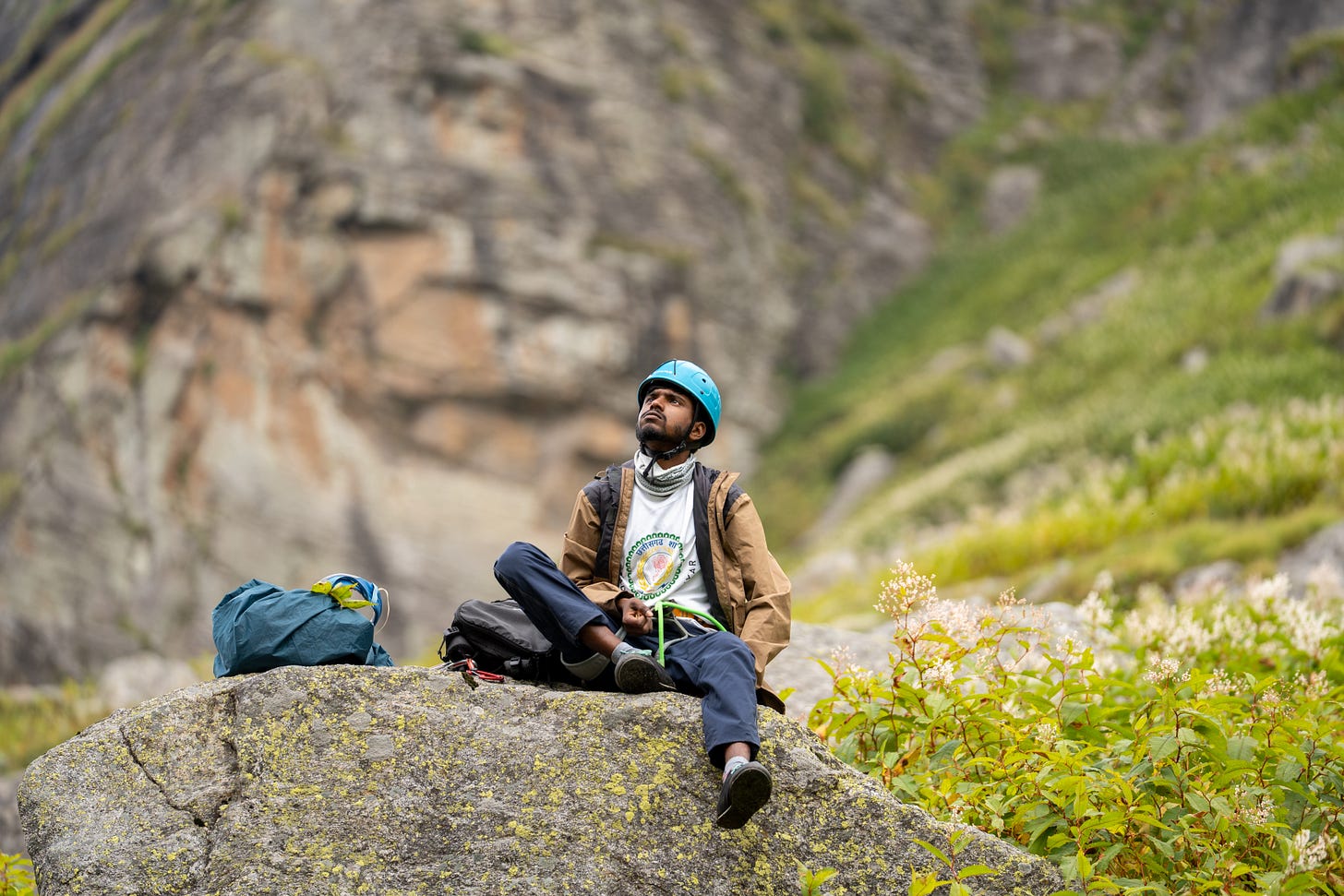
You know the moment. You come home from a long trek, a hard trail run, a full day on the bike. You feel okay - tired, satisfied, the good kind of wrecked. You shower, eat something, fall asleep.
Then you wake up the next morning and swing your legs off the bed. And there it is. The floor feels farther away than it should. Your quads announce themselves. The stairs, when you reach them, require a brief negotiation. You grip the railing and descend one step at a time like you’ve temporarily forgotten how legs work.
Most people at this point either push through and go again, or collapse on the couch and wait it out. Neither is wrong, but both miss the point. What your body is doing in the hours after a hard outdoor day - and in the night that follows - is one of the more interesting things it ever does. And if you understand it, you can work with it rather than against it.
This newsletter covers what’s actually happening, and the four things that reliably speed the process up.
Why You Feel Like That
The stiffness that arrives the morning after a hard outdoor day - and often intensifies into the following day - is the body’s repair process at work. Muscle fibres that worked hard, especially on descents and technical terrain, develop microscopic damage. The body responds with inflammation to rebuild them, and that rebuilding is what you feel. It’s not injury. It isn’t a sign you went too hard. It peaks somewhere between 24 and 72 hours and fades within a week. The same effort will produce less soreness next time, because the muscle has already learned what’s coming.
The bigger picture: a long outdoor day doesn’t just fatigue muscles. It depletes your glycogen stores - the carbohydrate fuel your body runs on. It strips electrolytes through sweat. It accumulates nervous system fatigue from hours of terrain adaptation. Recovery means addressing all of these, not just the soreness.
The Four Things That Actually Help
1. Sleep - more than anything else
If you could do only one thing for recovery, sleep would be the correct choice by a significant margin. What happens during deep sleep is not passive rest - it is the body’s primary repair window, and it cannot be replicated by anything else.
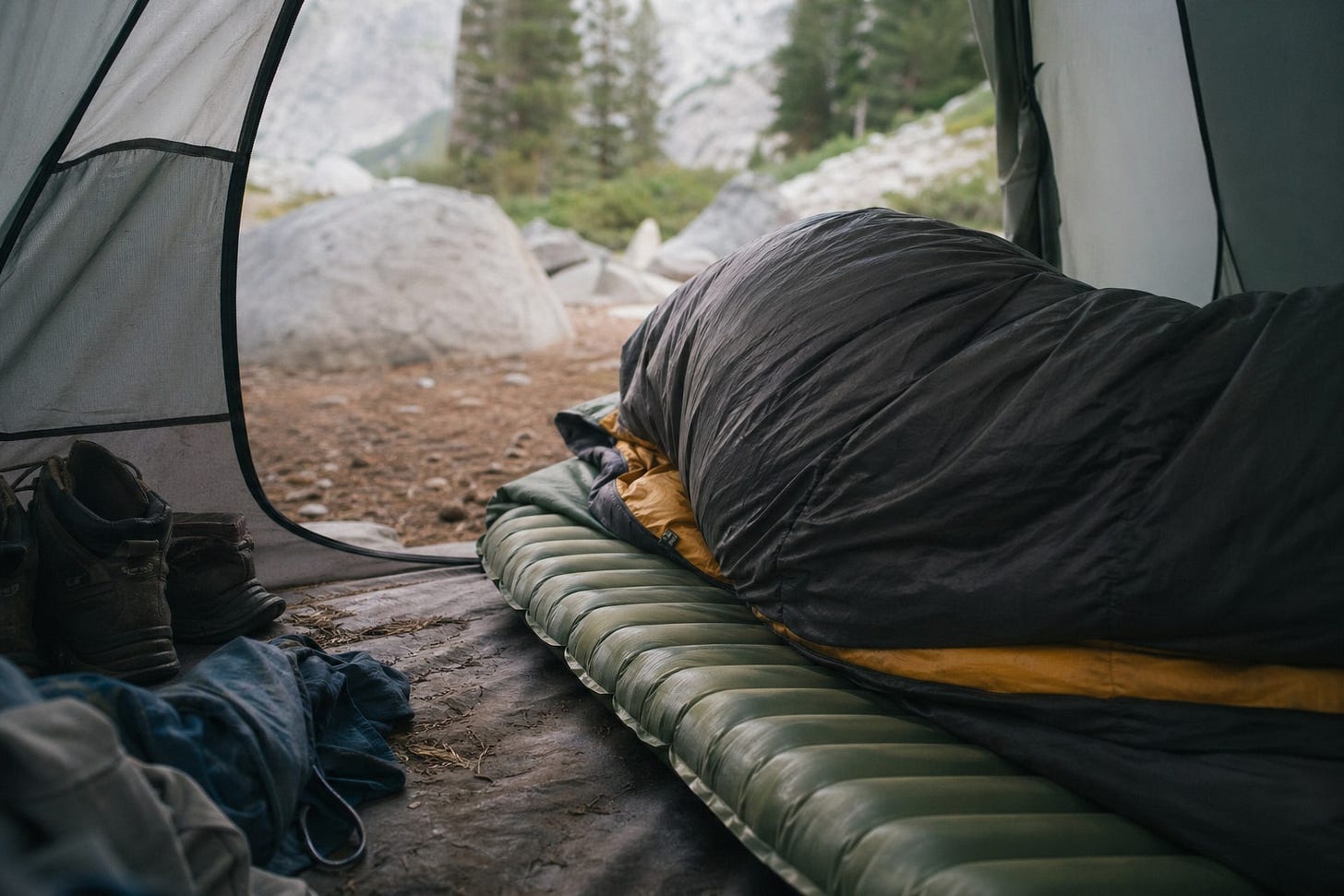
During slow-wave (deep) sleep, the body releases growth hormone - a key driver of muscle tissue regeneration and protein synthesis. Blood flow to muscles increases, delivering oxygen and nutrients while clearing metabolic waste. Glycogen stores, the fuel your muscles depleted during the day, are replenished. Research shows that sleep deprivation reduces muscle glycogen synthesis rates by up to 30 percent, and restricting sleep to four hours per night has been shown to reduce muscle protein synthesis by 18 to 19 percent. The body cannot rebuild what sleep would have rebuilt.
The target is seven to nine hours. After a particularly demanding day - a long Himalayan descent, a multi-hour trail run, a full-day ride - leaning toward the higher end of that range meaningfully accelerates recovery. A short nap of 20 to 30 minutes is also well-supported for restoring alertness and reducing the cognitive fatigue that accumulates after a long outdoor effort
One practical note: avoid alcohol in the evening after a hard outdoor day. It may feel like it helps you relax, but alcohol specifically disrupts slow-wave sleep - the most recovery-critical phase - and suppresses growth hormone release. A hard day outdoors followed by a few drinks and broken sleep is one of the worst recovery combinations possible. Water and food will serve you far better.
2. Rehydrate - properly, not just a lot
Drinking water after a hard outdoor day is obvious. The less obvious part is that plain water alone is often insufficient after significant sweat loss - and drinking too much of it can actually work against you.
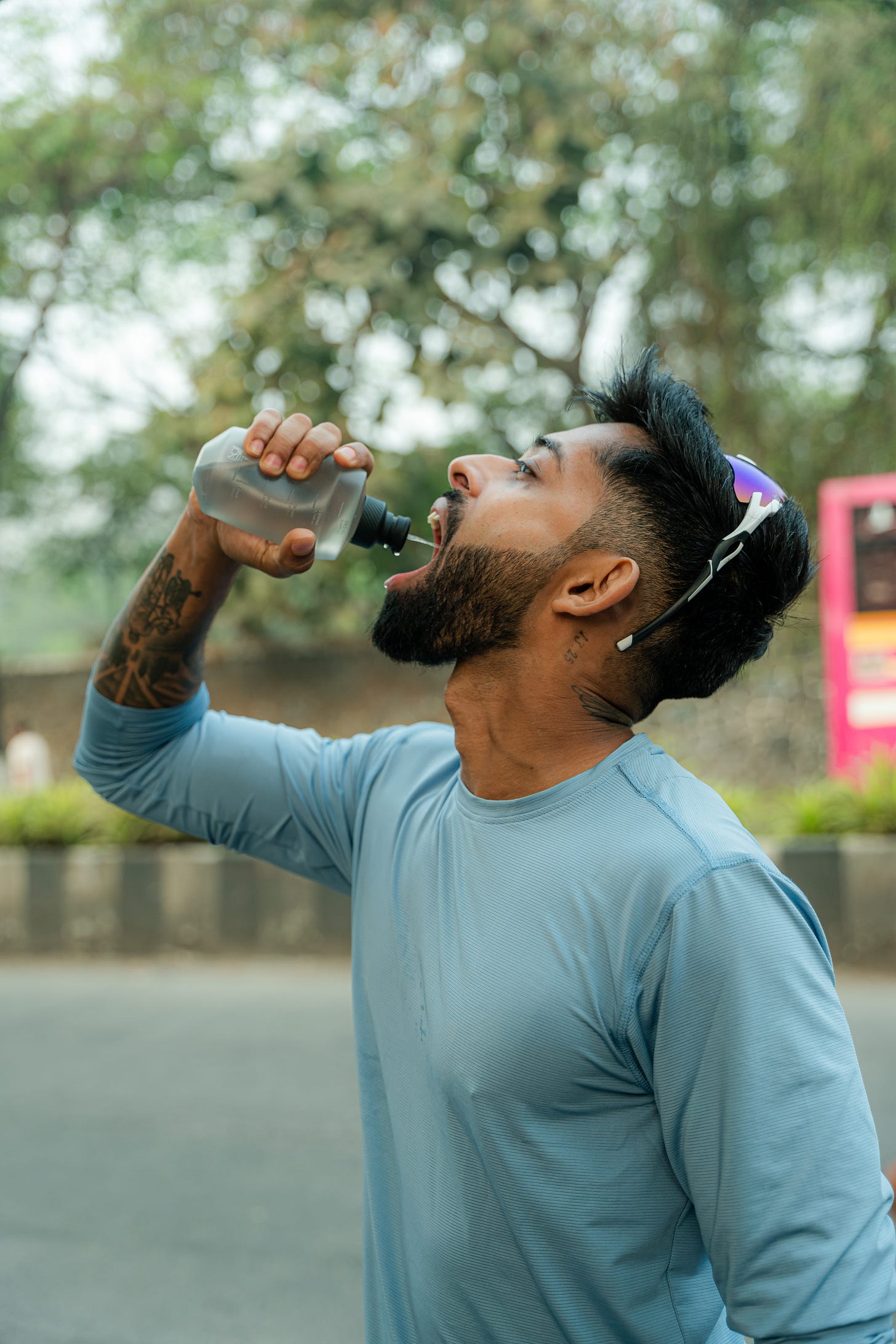
When you sweat heavily, you lose both water and electrolytes - primarily sodium, but also potassium and magnesium. Sodium is the electrolyte the body uses to retain fluid. Without it, water passes through the kidneys and out rather than being absorbed into the tissues. This is why you can drink a lot after a long outdoor day and still wake up with headache and dry mouth: you replaced the volume without replacing the minerals. Full rehydration after intense exercise takes eight to twelve hours. Consistently sipping throughout the evening is more effective than trying to catch up in one go.
You don’t need sports drinks or electrolyte tablets. Real food handles this well. Nimbu paani with a pinch of rock salt is an excellent electrolyte drink. Coconut water provides natural potassium. Curd rice, dal-chawal, any salted meal - all deliver the sodium your body needs to absorb and retain the fluids you’re drinking. ORS sachets (oral rehydration salts) work well if you’re significantly dehydrated after a hot, long day. The principle is simple: pair your fluids with sodium, and your body will hold on to them.
3. Eat - carbohydrates first, then protein
After a long outdoor effort, many people either eat almost nothing (”I’m too tired to cook”) or eat something light and call it done. Both leave the body without the raw materials it needs to rebuild.
Your muscles run primarily on glycogen - stored carbohydrate. A long trek, trail run, or cycle significantly depletes these stores. Replenishing glycogen requires eating carbohydrates, and the body is most receptive to glycogen replenishment in the first two to four hours after exercise. This is not the time to avoid carbs. Rice, roti, bread, fruit, potatoes - all of these work. If you are doing a multi-day trek and need to recover overnight for another day of effort tomorrow, prioritising carbohydrates in your first post-activity meal is the single most effective nutritional strategy available to you.
Protein comes second, but it matters too. Muscle repair requires amino acids, which come from dietary protein. Research consistently shows that 20 to 40 grams of high-quality protein after exercise is sufficient to stimulate muscle protein synthesis effectively - and that spreading protein across several meals throughout the day works better than consuming it all at once. A post-trek dinner of dal-chawal with curd and a boiled egg, or paneer with rice and vegetables, covers both the glycogen replenishment and the protein repair in a single meal without any complicated calculation.
Don’t skip the meal because you’re tired. Your body spent the day doing work that it now needs to rebuild from. Giving it the materials to do so is not optional - it’s the whole point of eating after exercise.
4. Move gently - not rest completely
The instinct after a hard outdoor day is to do nothing. Stop, sit, lie down, recover. And rest is appropriate - you’ve earned it. But there’s a meaningful difference between strategic rest and simply staying completely still, and research consistently favours the former.
Active recovery - light, easy movement that doesn’t tax the muscles but keeps them moving - consistently outperforms complete rest for reducing soreness and speeding recovery. A 2018 study in Frontiers in Physiology found active recovery more effective than passive rest in reducing muscle soreness after intense exercise. The mechanism is straightforward: gentle movement increases circulation, which delivers fresh oxygen and nutrients to damaged muscle fibres and helps clear the metabolic byproducts of a hard effort.
Practically, this means a 15 to 20 minute easy walk the morning after a hard day. Not a second effort. Not a recovery run. A walk at a pace where you can hold a conversation comfortably - that’s the benchmark. If you have to think about your breathing, you’re going too hard. The goal is to get your blood moving gently, loosen the stiffness that comes from lying still, and let your body continue its repair work with better circulation.
Gentle stretching after a hot shower the evening of your return - when muscles are warm and pliable - also helps. Focus on the areas that did the most work: quads and calves after a downhill-heavy trek or trail run, hamstrings and hips after a long cycle. Hold each stretch for 30 to 60 seconds. Don’t force range of motion when the muscles are already sore - you’re looking for gentle lengthening, not a flexibility session.
What Not to Do
Don’t drink alcohol to wind down. It’s one of the most common post-outdoor-day rituals and one of the worst things you can do for recovery. Alcohol disrupts slow-wave sleep, suppresses growth hormone, and impairs the muscle protein synthesis your body needs to repair. The relaxation it provides is real; the recovery cost is also real.
Don’t skip eating because you’re not hungry. Exercise, especially at altitude or in heat, sometimes suppresses appetite. Your body still needs fuel to rebuild. Even something simple - curd rice, a banana, eggs on toast - is meaningfully better than nothing in the recovery window.
Don’t try to stretch aggressively right after returning. Fatigued muscles are more vulnerable to strain. Aggressive stretching immediately after a long effort, when muscles are fatigued and not yet warm, is unlikely to help and may increase discomfort." Wait until after a warm shower, when the muscles have had a chance to cool down and relax slightly.
Don’t stay completely still for hours. Sitting or lying in one position for a long time after hard exercise allows muscles to stiffen and metabolic waste to stagnate. Get up, walk to the kitchen, take a short loop around the block. Low-level movement throughout the evening serves recovery far better than pure immobility.
Don’t go hard again too soon. The soreness peaks at 24 to 72 hours. If you feel reasonable on the morning after and push into another full effort, you’re loading muscles that are still in active repair. If consecutive days outdoors are the plan - a multi-day trek, a cycling trip - pace your effort and take the easier terrain on day two rather than matching the intensity of day one.
The Recovery Timeline
Here is what to do, and when.
During the activity - final hour
Start sipping water even if you don’t feel thirsty. Eat something small - a handful of dry fruits, a chikki, a banana - so your glycogen replenishment begins before you stop moving. This is the easiest thing most people skip.
Within 30 minutes of finishing
Drink something with electrolytes: nimbu paani with salt, coconut water, or plain water with a salty snack. Begin your first real meal within the next hour if possible - prioritise carbohydrates. Your muscles are most receptive to glycogen replenishment in this window.
That evening
Eat a proper meal with both carbohydrates and protein. Dal-chawal with curd, eggs with rice, paneer with roti - whatever is available and appealing. A warm shower followed by gentle stretching of the muscles that worked hardest. Keep sipping water through the evening. Avoid alcohol. Aim for an early night.
That night
This is when most of the repair happens. Seven to nine hours of sleep. The body releases growth hormone during deep sleep, replenishes glycogen, and rebuilds muscle fibres. Nothing you do while awake replaces what sleep does here.
Next morning
This is typically when the stiffness peaks. Resist the urge to stay horizontal. A 15 to 20 minute easy walk - flat ground, conversational pace - loosens the muscles and improves circulation more effectively than lying still. Eat a protein-rich breakfast. Keep hydrating. The soreness is temporary; moving through it gently shortens it.
48 hours out
For most people after a single hard day, the worst of the soreness resolves by here. Gentle movement has been the right approach throughout. If the soreness is still significant after 72 hours, it’s a sign the effort exceeded your current conditioning - not a cause for concern, but a useful calibration for next time. Build gradually.
The soreness after a hard day outdoors is not a sign that something went wrong. It’s the body doing exactly what it’s supposed to do — repairing, adapting, building capacity for the next effort. Every muscle that aches the morning after a long descent will handle that descent more efficiently the next time.
Your job is to give it what it needs: sleep, fluid, food, and gentle movement. Four things, none of them complicated. The body takes care of the rest.
Get Out.
Know someone who goes hard on weekends and spends Monday paying for it? Forward this to them - it might change what Sunday evening looks like.
